hacked by trenggalek6etar
– JATIM4U –
Jangene_Cakep – Panataran – 0x1999 – 0xIDiot – Unlucky – Mr.Optimuz_Root
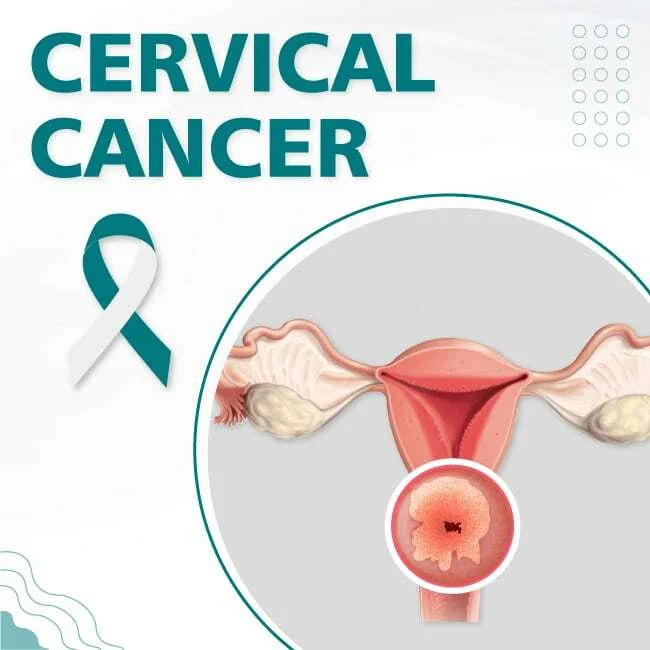
At Lopmudra Meera Hospital, Pune, we believe awareness is the first step toward protection and better health. Recently, we organized a Cervical Cancer Awareness Camp in association with the Sayog Wonder Card Ladies Group, led by Dr. Archana Salve (Consultant & Head – OBGYN & IVF).
Over 40+ women participated in an interactive session focused on:
Common gynaecological problems
Prevention of cervical cancer
Timely screening and early diagnosis
HPV vaccination and who should consider it
If you attended the camp—or if this topic concerns you—this blog will help you take the next step: book your screening and get clarity from an expert gynecologist.

Cervical cancer is one of the most preventable cancers when women have the right information, regular screening, and timely medical support.
You should strongly consider screening if you:
Are 21+ years (or as advised by your gynecologist)
Have never been screened or have gaps in screening
Have a history of abnormal Pap/HPV results
Smoke
Have a weakened immune system
Live with HIV or other conditions affecting immunity
Important: Early stages can have no symptoms, so screening is essential even when you feel fine.
Myth: “If I have no symptoms, I don’t need screening.”
Fact: Many early changes have no symptoms—screening finds them early.
Myth: “Pap smear is very painful.”
Fact: It’s usually quick and mildly uncomfortable for a few minutes.
Myth: “HPV vaccine means I never need screening.”
Fact: Vaccination reduces risk, but screening is still important.
Screening can detect early changes (pre-cancer) before cancer develops. That’s why doctors emphasize: don’t wait for symptoms.
We provide a complete preventive and diagnostic pathway for women’s health:
What it does: Checks for abnormal cells on the cervix.
Who it helps: Women who need routine screening or follow-up.
What it does: Checks for high-risk HPV types that can lead to cervical changes.
Who it helps: Often recommended based on age, history, and risk.
What it does: Reduces risk of HPV-related cervical disease when given at the right time.
Who it helps: Typically recommended before exposure; catch-up options may exist based on medical advice.
What it does: A personalized plan based on your age, symptoms, and screening history.
Who it helps: Anyone unsure about what test is right, or dealing with gynae symptoms.
Cervical Cancer Awareness Camp at Lopmudra Meera Hospital Pune | Led by Dr. Archana Salve
During the camp, many women shared real concerns such as:
“Is irregular bleeding normal?”
“I feel shy about getting screened.”
“Will the test hurt?”
“I’ve never done a Pap smear—do I really need it?”
Our team addressed common hesitations with a clear message:
Screening is simple, private, and can protect your future health.
Education in simple language
Creating comfort and reducing fear
Emphasizing privacy, dignity, and confidentiality
Encouraging timely screening and vaccination decisions with doctor guidance
At Lopmudra Meera Hospital, women’s health care is guided by experienced specialists. Dr. Archana Salve leads preventive and clinical gynecology with a patient-first approach.
Calm, non-judgmental guidance
Clear explanations about screening and prevention
Personalized plans (screening + vaccination + follow-up)
A focus on comfort, privacy, and timely action
If you want clarity on screening schedules, vaccine suitability, or symptoms, a consultation is the fastest way to get answers.
Book an appointment if you are:
Women aged 21+ (or due for screening)
Married women or women who are sexually active and unsure about screening needs
Women with irregular periods, bleeding between periods, or post-intercourse bleeding
Women with unusual vaginal discharge (watery, foul-smelling, or blood-stained)
Women with pelvic pain or pain during intercourse
Women who have never been screened
Women who want guidance on HPV vaccination
If you’re thinking about screening, that’s your sign to act.
It’s done in a private setting
A small sample is taken from the cervix
The process is typically completed in a few minutes
Most women describe it as mild discomfort, not pain. If you feel anxious, tell your doctor—gentle technique and guidance make it easier.
Yes. Pap smear is a widely used screening test. Your doctor will explain if any additional testing is needed based on your report.
Yes. Privacy and confidential reporting are maintained throughout the process.
Screening is usually quick and mildly uncomfortable, not painful for most women. It takes a few minutes. If you feel anxious, tell your doctor—gentle technique and clear guidance make it easier.
It depends on age and risk. Some guidelines emphasize HPV-based screening around age 30, while others start Pap screening at 21. Your gynecologist will advise what fits you best.
Yes. Early cervical changes often cause no symptoms, which is why screening is so valuable.
Vaccination is most effective before exposure, so it’s commonly recommended in early adolescence. Catch-up options may exist depending on age and medical advice.
No. Vaccination reduces risk but does not eliminate it, so screening is still important as per your doctor’s advice.
An abnormal result does not automatically mean cancer. Your doctor may recommend repeat testing, HPV typing, or colposcopy to confirm what’s going on and treat early changes if needed.
Content link: https://www.instagram.com/reel/DSmxSVPj4jl/?igsh=N3V5NTRjMzMxOWp0
If you or someone you know needs guidance on women’s health, cervical screening, HPV vaccination, infertility care, or gynecological consultation — Lopmudra Meera Hospital is here for you.
Lopmudra Meera Hospital, Pune, India
Phone / WhatsApp: 8378022022 | 8379033033
Email: contact@lopmudrahospitals.com
Call or WhatsApp now to book your Pap smear / HPV test / HPV vaccination consultation.
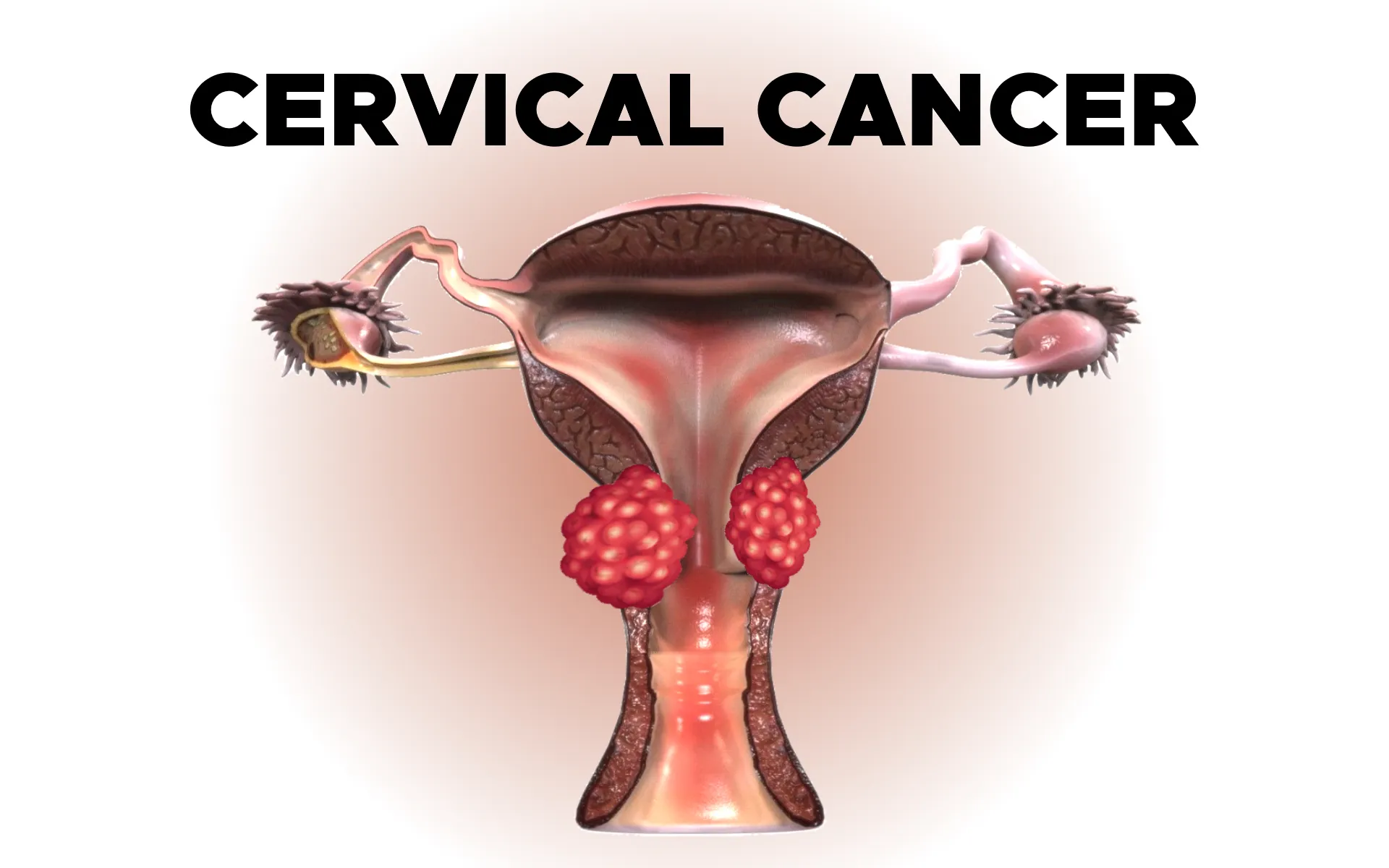
At Lopmudra Meera Hospital, Pune, we believe awareness is the first step toward protection and better health. Recently, we organized a Cervical Cancer Awareness Camp in association with the Sayog Wonder Card Ladies Group, led by Dr. Archana Salve (Consultant & Head – OBGYN & IVF).
Over 40+ women participated in an interactive session focused on:
Common gynaecological problems
Prevention of cervical cancer
Timely screening and early diagnosis
HPV vaccination and who should consider it
Cervical cancer is one of the most preventable cancers when women have the right information, regular screening, and timely medical support. Global health authorities also emphasize that cervical cancer is largely preventable through HPV vaccination and regular screening, and it can be treated successfully if found early.
Cervical cancer starts in the cervix (the lower part of the uterus). In most cases, it is linked to persistent infection with high-risk Human Papillomavirus (HPV).
It is considered preventable because:
HPV vaccination reduces risk before exposure
Screening tests detect early changes (pre-cancer) before cancer develops
Early detection improves outcomes significantly

You should be extra mindful about screening if you:
Have never been screened or have gaps in screening
Have persistent HPV infection or a history of abnormal Pap/HPV tests
Smoke (smoking can increase risk)
Have a weakened immune system
Live with HIV (risk is higher)
Important: Even without symptoms, screening is still essential.
Early stages may have no symptoms, which is why screening is so important.
Seek evaluation if you have:
Bleeding between periods or after intercourse
Unusual vaginal discharge (watery, foul-smelling, or blood-stained)
Pelvic pain or pain during intercourse
Persistent lower back pain (especially with other symptoms)
These symptoms don’t always mean cancer, but they do mean you should consult a gynecologist promptly.
During the camp, Dr. Archana Salve and our team shared practical, patient-friendly guidance on:
Many women delay care for issues like irregular periods, infections, pelvic pain, or discharge. The camp emphasized that early consultation reduces complications.
Different guidelines exist globally, but the key message is simple: screening saves lives.
Many programs recommend HPV-based screening around age 30 and above
Other guidance recommends Pap testing from age 21, with HPV-based options later
Best approach: Your gynecologist will recommend the right test and schedule based on your age, history, and risk.
HPV vaccination is a major preventive tool and is widely recommended in the appropriate age groups. It is most effective before exposure.
Local note: Reports indicate Maharashtra is planning free HPV shots for girls aged 9–14 starting January 2026 through public health services.
The session reinforced: Don’t wait for symptoms. Most precancerous changes are treatable if caught early.
Here are the most common screening methods your gynecologist may recommend:
Pap test (Pap smear / cervical cytology): checks for abnormal cells
HPV test: checks for high-risk HPV types linked to cervical cancer
Co-testing (Pap + HPV): sometimes used in certain age groups
If screening is abnormal, your doctor may advise colposcopy (a closer examination) and guided biopsies if needed.
Along with screening and vaccination, practical steps include:
Get screened on time (even if you feel fine)
Consider HPV vaccination after medical advice
Avoid smoking
Practice safe sex and seek care for persistent infections
Don’t ignore persistent symptoms like abnormal bleeding
Awareness events like this help women:
Ask questions without fear or stigma
Understand the difference between myths vs medical facts
Learn when to act early—before problems become serious
Know where to go for trusted care
Community awareness plus vaccination and screening can reduce the burden of cervical cancer and save lives.
Screening is usually quick and mildly uncomfortable, not painful for most women. It takes a few minutes. If you feel anxious, tell your doctor—gentle technique and clear guidance make it easier.
It depends on age and risk. Many programs emphasize HPV-based screening around age 30, while other guidelines start Pap screening at 21. Your gynecologist will advise what fits you best.
Yes. Early cervical changes often cause no symptoms, which is why screening is so valuable.
Vaccination is most effective before exposure, so it’s commonly recommended in early adolescence. Catch-up options may exist depending on age and medical advice.
No. Vaccination reduces risk but does not eliminate it, so screening is still important as per your doctor’s advice.
An abnormal result does not automatically mean cancer. Your doctor may recommend repeat testing, HPV typing, or colposcopy to confirm what’s going on and treat early changes if needed.
Content link: https://www.instagram.com/reel/DSmxSVPj4jl/?igsh=N3V5NTRjMzMxOWp0
If you or someone you know needs guidance on women’s health, cervical screening, HPV vaccination, infertility care, or gynecological consultation, we’re here to help.
Lopmudra Meera Hospital, Pune, India
Phone / WhatsApp: 8378022022 | 8379033033
Email: contact@lopmudrahospitals.com
Medical disclaimer: This blog is for awareness and does not replace a clinic consultation. Screening and vaccination decisions should be personalized by your doctor.
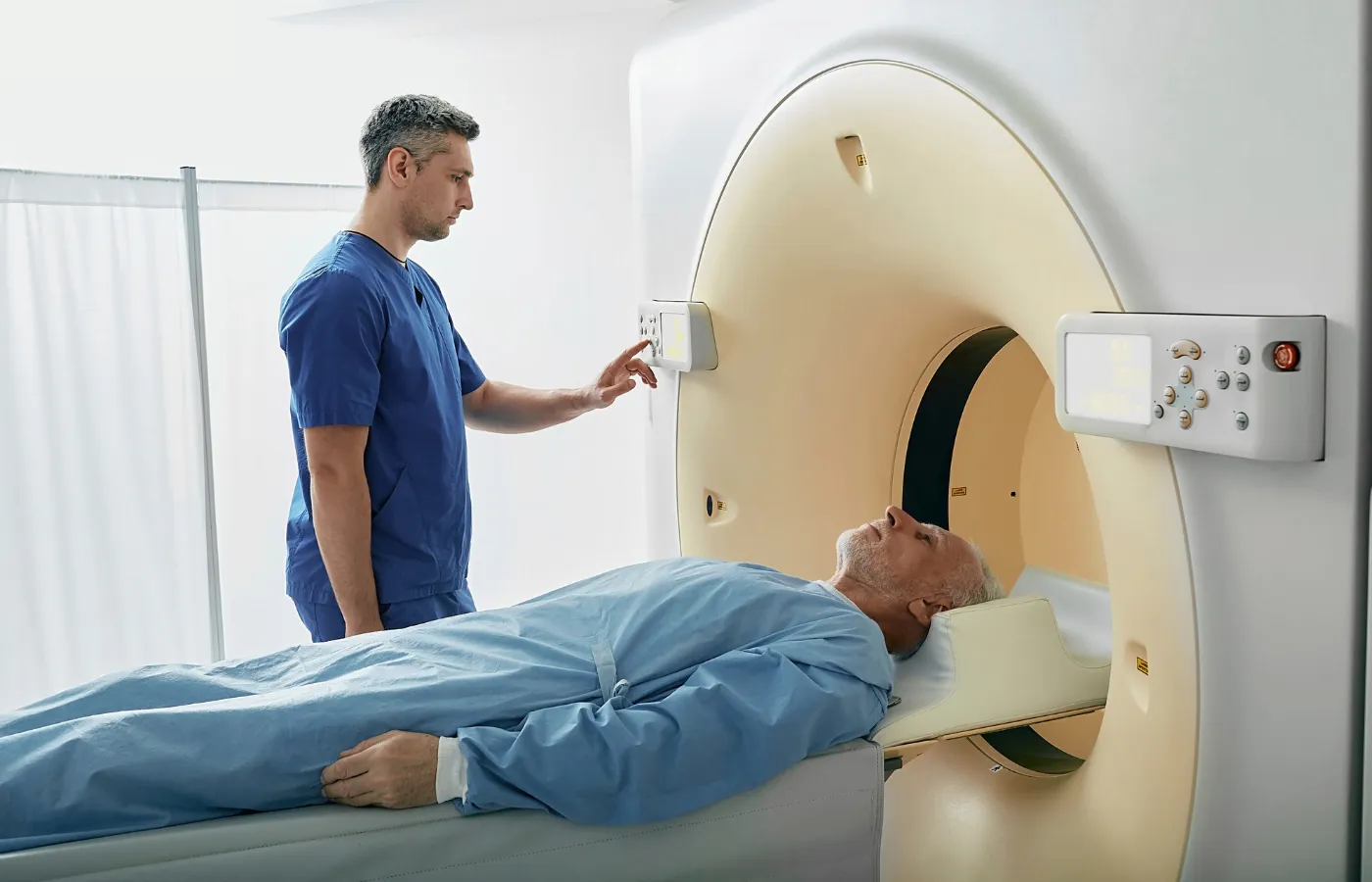
To prepare for MRI, CT, X-ray, or ultrasound in Lopmudra Hospitals , confirm whether you need fasting, contrast dye, or a full bladder. Wear comfortable metal-free clothing, carry previous reports, and inform staff about pregnancy, allergies, kidney issues, implants, or claustrophobia. Arrive early for paperwork and follow post-scan instructions if contrast is used.
Start with these universal steps:
Confirm the test type: MRI / CT / X-ray / Ultrasound
Ask: “Do I need fasting or a full bladder?”
Share your medical history: pregnancy, allergies, kidney disease, asthma, thyroid issues
List medicines, especially metformin (common in diabetes)
Carry: doctor’s prescription + prior reports + previous scan CDs
Arrive 20–45 minutes early for registration and screening
Best practice: If you have any implant or device, bring the implant card (or hospital record).
You should alert the radiology team early if you are:
Pregnant or possibly pregnant
Breastfeeding (sometimes relevant after contrast)
Living with kidney disease or on dialysis
Allergic to iodine/contrast or have severe allergies/asthma
Having pacemaker, cochlear implant, aneurysm clip, stent, metal fragments, or any implanted device
Prone to claustrophobia, panic, or anxiety
A child, elderly, or needing assistance with mobility
Key safety note: MRI safety depends on the device type—some implants are MRI-safe, some are not.
Here’s a simple comparison to set expectations:
| Scan | Uses | Radiation? | Common prep | Typical duration |
|---|---|---|---|---|
| MRI | Magnets + radio waves | No | Remove metal, screen implants, sometimes fasting for contrast | 20–60 min |
| CT scan | X-ray cross-sectional images | Yes | Often fasting if contrast; allergy/kidney checks | 10–20 min |
| X-ray | Quick imaging of bones/chest | Yes (low) | Remove jewelry; pregnancy screening | 5–10 min |
| Ultrasound | Sound waves | No | Full bladder for pelvic; fasting for abdomen | 10–30 min |

MRI is excellent for brain, spine, joints, and soft tissues, but it requires strict metal safety.
Wear metal-free clothes (no zippers, hooks, underwire, metallic threads)
Avoid: jewelry, hairpins, watches, wallets, cards, coins
Many centers provide a gown—follow instructions
Tell them if you have:
Pacemaker/implants/stents
Past metal injury to the eye (even years ago)
Claustrophobia (you may need calming strategies or sedation planning)
Usually no, unless MRI is planned with contrast or for certain abdominal studies
Follow your doctor’s/center’s exact instructions
You’ll hear loud tapping sounds
You must stay still for clear images
You may get earplugs/headphones
Real-world tip: Most repeat scans happen because of motion blur. If you’re anxious, ask about breathing cues or comfort positioning before starting.
CT is commonly used for chest, abdomen, trauma, kidney stones, and quick emergency evaluation.
If contrast dye is planned, fasting is often 4–6 hours (varies by protocol)
Plain CT (without contrast) may not require fasting—confirm
Prior contrast reaction (rash, swelling, breathing issues)
Kidney problems or dehydration
Diabetes meds, especially metformin (the team may advise temporary pause depending on kidney function and contrast use)
For most people, yes, but it needs screening for:
Kidney function in selected patients
Past severe allergy to contrast
After CT contrast: Drink fluids (if allowed) to help flush it out.
X-rays are fast and widely used for chest, bones, dental, and screening.
Remove jewelry, metal accessories, and sometimes clothing with metal
Inform staff if you are pregnant or possibly pregnant
Follow positioning instructions carefully
Good to know: Many X-rays take seconds, but setup and positioning are what ensure accuracy.
Ultrasound is commonly used for abdomen, pelvis, pregnancy, thyroid, soft tissues, and more.
Abdominal ultrasound: Often 6–8 hours fasting (helps reduce gas and improves clarity)
Pelvic ultrasound: Often requires a full bladder (you may be asked to drink water before the scan)
Previous ultrasound reports (if any)
Your doctor’s notes and expected due date info
Comfort tip: Wear a two-piece outfit for easier access to the scanning area.
Follow your prescribed instructions, but these are common patterns:
Hydrate unless fasting or restricted
Continue most regular medicines unless told otherwise
Bring snacks if you’ll be fasting and diabetic (ask staff first)
Don’t wear metal accessories for MRI
Don’t skip telling the team about pregnancy, implants, allergies
Don’t apply heavy lotions/creams before some imaging (rarely relevant, but safe to avoid)
Medication caution: Never stop critical medicines without medical guidance.
Bring these to avoid delays:
Doctor’s prescription / referral
Previous scan CDs, films, and reports
List of current medicines
Allergy history
Implant/device card (if applicable)
ID and insurance details (if using cashless)
Yes, usually, if no sedation was used
If you receive sedation for anxiety/claustrophobia, you’ll likely need:
An adult companion
No driving for several hours (as advised)
Ask upfront: “Will I receive sedation today?” so you can plan transport.
Usually no, but fasting may be advised for certain abdominal MRIs or when contrast is planned. Follow the exact instruction from the radiology team to avoid rescheduling or poor image quality.
A CT scan itself often takes a few minutes, but total visit time can be 30–90 minutes if contrast, blood tests, or observation is needed. Arriving early helps complete screening smoothly.
It depends. Some implants are MRI-conditional (safe under conditions) while others are unsafe. Always share your implant details and carry the implant card. The radiology team will confirm MRI compatibility.
Tell the team before the scan. Many patients do well with breathing coaching, music/earplugs, a comfort plan, or mild medication when appropriate. Planning early prevents mid-scan panic and repeat imaging.
Inform staff immediately. X-rays may be postponed, modified, or replaced depending on urgency and body area. If necessary, protective measures and the lowest effective dose may be used under medical supervision.
A full bladder acts like a “window” that helps the ultrasound waves travel better and improves visibility of pelvic organs. You’ll usually be asked to drink water and avoid urinating until the scan is done.
Most people tolerate contrast well, but patients with reduced kidney function, dehydration, or certain conditions may need screening. If you have kidney disease or diabetes, mention it—your doctor may order a creatinine test.
Yes, unless you were instructed to fast for another test. After contrast studies, many patients are advised to drink more fluids (if medically allowed). Your team will tell you if any restrictions apply.
Call ahead if you have:
Implant/device concerns for MRI
Previous contrast allergy
Diabetes on multiple medicines/insulin
Kidney disease or dialysis schedule
Pregnancy or suspected pregnancy
Severe anxiety/claustrophobia needing a plan
If you’re scheduling an MRI, CT scan, X-ray, or ultrasound in Bangalore, the imaging team at Vikram Aura Hospitals can guide you on fasting, contrast safety, and scan-day preparation based on your exact test.
Book your appointment or request a prep checklist from the radiology desk before you visit.


When it comes to a child’s health, parents don’t take chances. They look for experience, safety, compassion, and results. At Lopmudra Hospital, Pune, paediatric care is built on exactly these values. The real stories shared by parents in our patient testimonial video clearly show why families trust us with their most precious responsibility—their child’s health.
In the video testimonial, parents speak about moments of fear, uncertainty, and concern when their child was unwell. From recurring infections and developmental concerns to emergency paediatric care, families describe how the paediatric team at Lopmudra Hospital supported them at every step.
Parents highlight:
Clear explanations about diagnosis and treatment
Calm and reassuring communication during stressful situations
Gentle handling of infants and children
Continuous updates and involvement in decision-making
Paediatric care at Lopmudra Hospital is led by experienced paediatricians and child health specialists trained to manage:
Common childhood illnesses
Newborn and infant care
Growth and developmental monitoring
Fever, infections, and respiratory issues
Preventive paediatric healthcare and vaccinations
Parents in the testimonial repeatedly mention the doctor’s ability to identify the root cause quickly, explain medical terms in simple language, and design treatments suited to the child’s age and condition.
This demonstrates strong clinical expertise, built through years of hands-on pediatric practice.
Lopmudra Hospital has earned its reputation as a trusted healthcare provider in Pune by maintaining:
Evidence-based paediatric treatment protocols
Child-safe infrastructure and hygiene standards
Coordinated care between paediatricians, nurses, and support staff
The testimonial reflects confidence not just in one doctor, but in the entire paediatric system at the hospital. Parents felt assured that their child was in capable, responsible hands throughout the treatment journey.
Trust is not claimed—it is earned. Parents in the video openly share how:
Doctors took time to answer every question
No unnecessary tests or treatments were advised
Follow-up guidance was provided even after discharge
Such transparency builds long-term trust and reassures families that medical decisions are made purely in the child’s best interest.
Based on real patient testimonials, parents choose Lopmudra Hospital because of:
Child-first approach
Experienced and approachable paediatric doctors
Safe and supportive hospital environment
Honest communication and ethical care
These factors together form the foundation of trusted paediatric healthcare.
If you are searching for reliable paediatric care in Pune, the voices of real parents say it best. Lopmudra Hospital stands for experience, expertise, authority, and trust—qualities every parent looks for when it comes to their child’s health.
Because when parents say, “They trusted us with their child’s health,” it reflects a promise that is honored every day.